
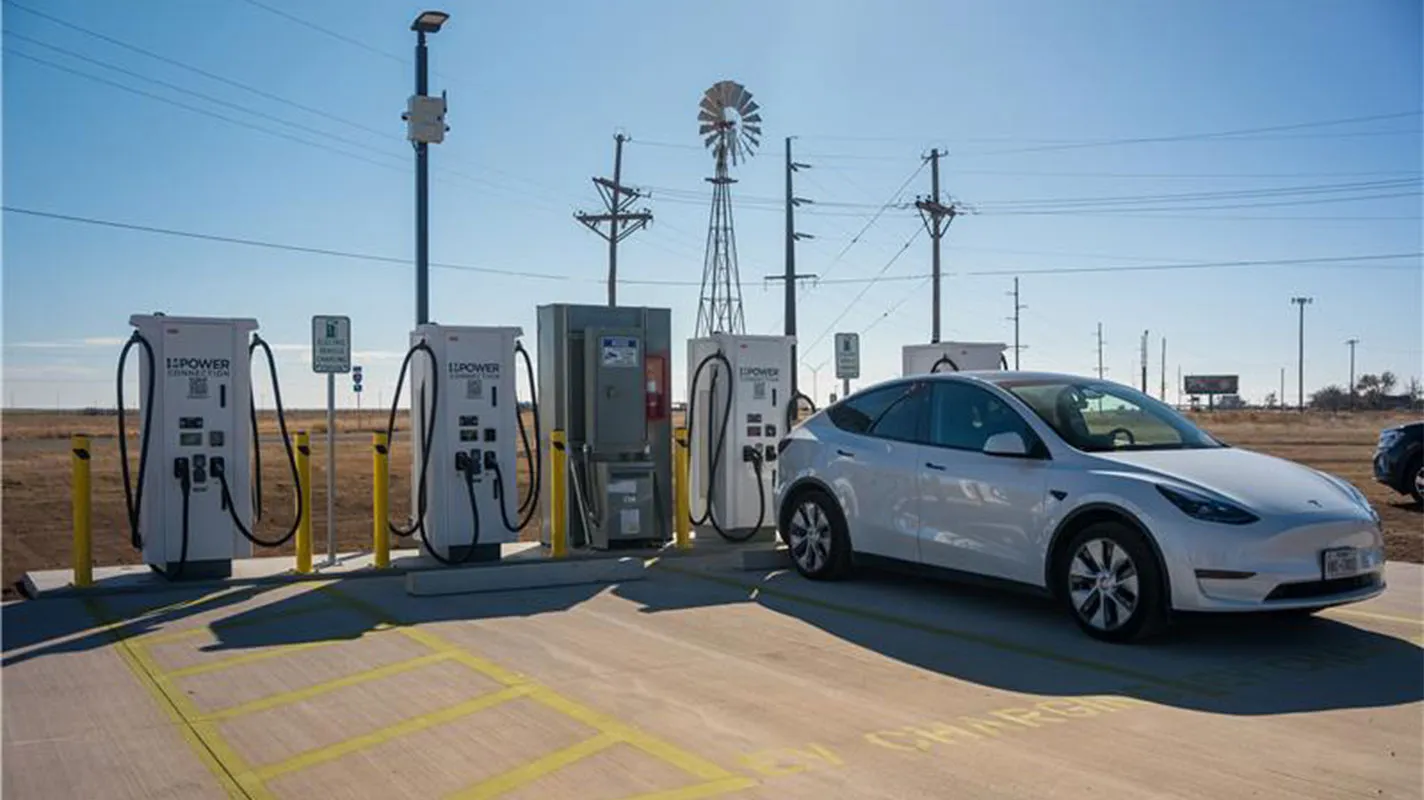
Texas keeps adding electric vehicles to its roads, and business owners, property managers and developers have noticed. A charging station can bring in customers, keep tenants happy and give a fleet a dependable home base. The question that comes up first, almost every time, is how much it will cost.
A good estimate answers that question before any concrete is poured. This guide covers what EV charging installs usually cost, why two quotes for similar projects can look so different, and how Texas property owners can compare estimates with confidence.
How Much Does an EV Charging Station Cost?
The honest answer is that it depends on the type of charger. Most pricing falls into two groups.
Level 2 Chargers
Level 2 chargers are the everyday workhorses. They suit offices, apartment communities, hotels and shopping centers where cars sit for a few hours. Published guides for 2026 vary a bit, but many put a commercial Level 2 port at roughly $3,000 to $12,000 installed. Another source narrows the range for simpler jobs to about $3,000 to $7,000 per port. greenlancerampup
The charger itself is often the smaller part of the bill. One cost calculator notes that Level 2 hardware runs about $600 to $1,500 per port, with the rest of the budget going to electrical work, labor and permits. nuwattenergy
DC Fast Chargers
DC fast chargers are built for quick stops, like gas stations, travel plazas and busy retail spots. They cost far more. Estimates in 2026 guides often land between $80,000 and $250,000 or more per charger, though other sources show lower per-port figures for smaller 50 kW units. The spread is wide because power level matters a lot, and a 150 kW or 350 kW unit is a different project from a 50 kW one. greenlancer
What Actually Drives the Price?
Two Texas sites with the same charger can get very different quotes. These are the usual reasons.
Electrical Capacity
Chargers draw serious power. If the existing panel or service can’t handle the load, the project may need a new panel, a larger feeder or a bigger service connection. One 2026 guide lists electrical capacity, trenching, transformer work and civil work as the biggest cost variables. greenlancer
Distance From the Power Source
A charger placed close to the electrical room is cheap to wire. One at the far end of a large lot means trenching, conduit and cable. In big Texas parking lots, that distance can change the total quickly.
Number of Ports
Adding ports usually lowers the cost per port, because permits, design and site setup get shared. A single charger often costs more per port than a bank of four or ten.
Site Conditions
Concrete, asphalt, drainage, lighting and accessibility rules all affect the work. Texas heat and storm exposure also matter, so many owners ask about shade structures, weather-rated equipment and surge protection.
Permits, Inspections and Utility Coordination
Permit requirements differ between cities and counties, and utility timelines differ between providers. Level 2 projects often take about 6 to 12 weeks, while DC fast projects can take 4 to 8 months depending on permitting and utility upgrades. Early utility conversations save a lot of frustration. ampup
Software and Networking
Many commercial chargers need a network subscription for payments, access control and monitoring. These fees often get left out of early budgets, so a solid estimate lists them separately.
What a Good Installation Estimate Should Include
A one-line quote like “$25,000 for four chargers” doesn’t give a property owner much to work with. A reliable estimate usually breaks the project into clear lines:
- Charger hardware and mounting equipment
- Electrical panel, breaker and service upgrades
- Trenching, conduit, wiring and boring
- Concrete pads, bollards, striping and signage
- Permit and inspection fees
- Utility connection or make-ready costs
- Network setup and recurring software fees
- Labor, project management and contingency
When each item is spelled out, it’s much easier to see why one bid costs more than another. It also makes it easier to spot a missing item before it turns into a change order.
Texas Factors Worth Thinking About
A Big State With Many Utilities
Texas has many utility providers, and each has its own process for service upgrades and new load requests. A site in a major metro area may deal with a very different utility than one in a smaller town, and timelines can differ because of it. Asking the utility about available capacity early is one of the smartest first steps in the planning stage.
Incentives and Funding
Incentive programs change often, so owners should check current details before relying on any of them. The federal Section 30C tax credit is a good example. One 2026 guide reports that the credit has expired, so older articles that mention it may be out of date. State, utility and local programs may still offer help, and a tax professional can confirm what applies to a specific project. greenlancer
Heat, Shade and Drivers’ Comfort
Texas summers are tough on equipment and on people. Covered charging bays, good lighting and clear signage can improve both durability and customer experience, and they should be included in the estimate if wanted.
Choosing the Right Charger for the Right Location
The best charger depends on how long vehicles stay. A common rule of thumb from 2026 buyer guides is:
- 8 or more hours (workplaces, apartments): Level 2 is usually the better fit.
- 2 to 4 hours (retail, restaurants): Level 2, sometimes with a fast charger added.
- Under 2 hours (convenience stops): DC fast charging makes more sense. Each of these dwell-time categories points toward a different charger type. ampup
Matching the charger to how people actually use the site often saves more money than any discount on equipment.
Tips for Comparing Texas EV Charger Estimates
- Ask for itemized quotes. Line-by-line pricing makes comparison easy.
- Request a site visit. Remote quotes often miss trenching, panel and access issues.
- Plan for growth. Running extra conduit now is usually much cheaper than digging again later.
- Check the warranty and service terms. Maintenance and uptime matter as much as the sticker price.
- Confirm who handles permits and utility paperwork. This can hold up a project if no one owns it.
- Compare more than the lowest number. A very low bid may leave out electrical work that appears later as extra charges.
Why Accurate Estimating Matters
EV charging projects blend electrical, civil and utility work, so small assumptions can swing the final cost. An accurate estimate gives contractors a fair price to bid and gives owners a realistic budget. It also cuts down on surprises during construction. Detailed takeoffs and cost breakdowns before work starts are what keep these projects on schedule and on budget.
Final Thoughts
EV charging in Texas can be a smart investment, but only when the numbers are clear from the beginning. Level 2 projects tend to be affordable and quick, while DC fast charging is a much bigger commitment. In both cases, the best estimates are itemized, site-specific and honest about utility timelines and ongoing fees. Owners who take the time to compare them carefully tend to end up with a charging setup that fits their property and their budget.
FAQs
How much does it cost to install a commercial EV charger in Texas?
Many 2026 guides put Level 2 ports somewhere between $3,000 and $12,000 each installed, and DC fast chargers from tens of thousands up to $250,000 or more. Actual Texas pricing depends on the site.
How long does installation take?
Level 2 projects often take a couple of months. DC fast projects can take several months because of utility upgrades and permits.
Are there ongoing costs after installation?
Yes. Network fees, maintenance, electricity and warranty plans are common recurring costs.
Can the cost per port go down?
Often, yes. Installing several ports together spreads shared costs across more chargers.